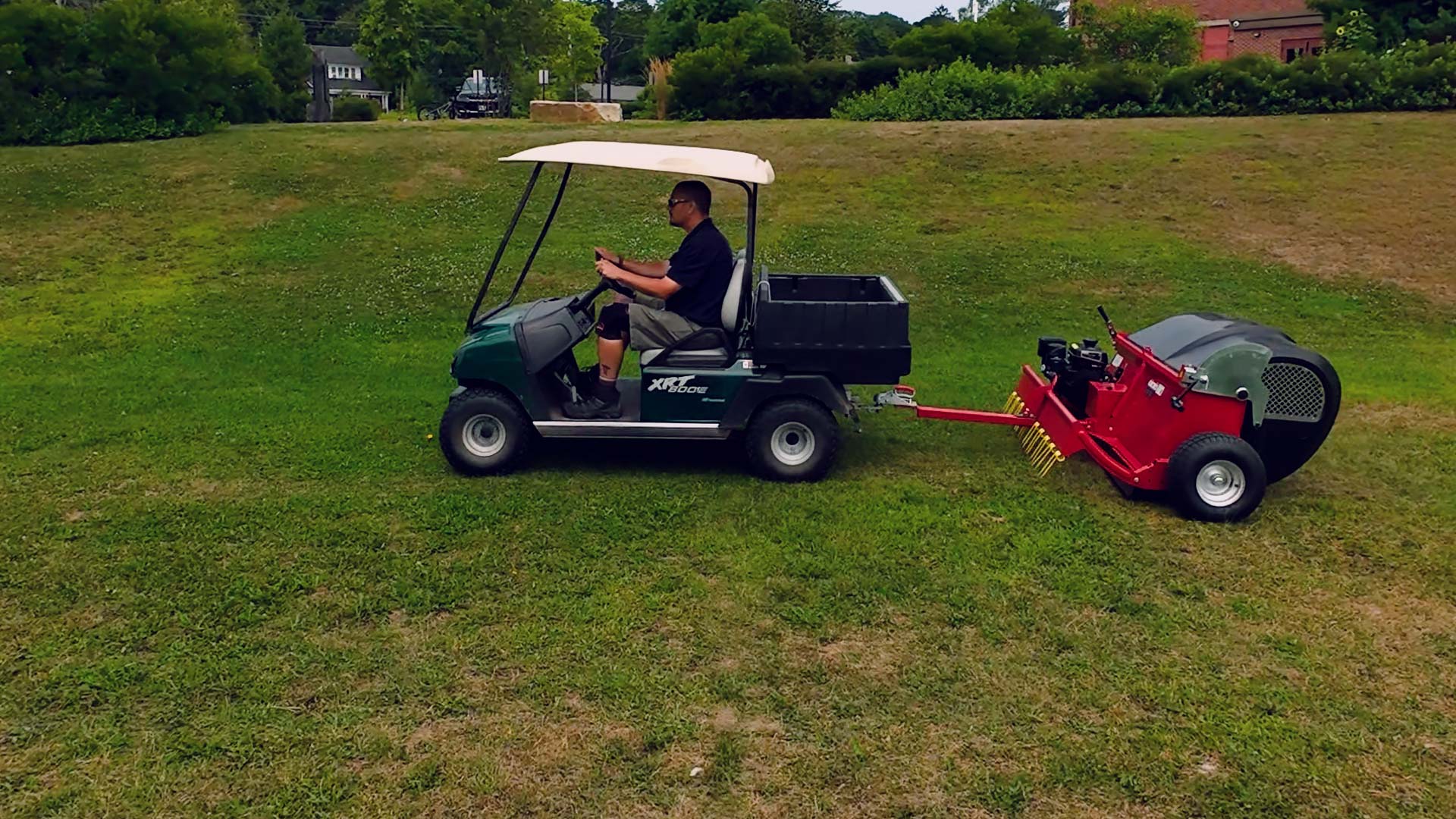
Maine Maritime Museum turned a messy, labor-intensive problem into a simple weekly routine with the Tow and Collect 1500 Pro – protecting presentation, safety, and precious nonprofit resources.
“We purchased the Tow and Collect 1500 Pro earlier this spring, and it has been an absolute game changer for us here.”

When Maine Maritime Museum set out to keep its historic waterfront campus clean, the team tried just about everything. Set on the Kennebec River, on the site “where the largest wooden schooners in the world were built,” the museum welcomes “about 50,000 visitors a year,” from group tours and summer camps to weddings, a beer festival, and a fundraising gala. As a nonprofit, they needed a solution that protected presentation and safety without stretching limited resources.
Before finding the right fit, they went down the list of deterrents. “We exhausted almost every single resource out there other than physically changing the landscape. We had streamers, we had lights, we had, wolf decoys. We had, RC cars, drones. We have neighborhood dogs who come in every day and, the Canada geese are persnickety and they’re smart, and they know that they’re safe here, and they love hanging out here, and that’s okay. We just need to make sure that we are presenting a clean and sanitary environment for our visitors.”
Day to day, the reality was even tougher: “Before the Tow and Collect, we would take a rake and a shovel and collect all of the goose poop by hand. And that was incredibly time consuming… being able to free up that manpower means that we are able to do more with less, which is a hallmark of nonprofits.”
In spring, the museum purchased the Tow and Collect 1500 Pro – and the tone on site changed immediately. “We purchased the Tow and Collect 1500 Pro earlier this spring, and it has been an absolute game changer for us here.” Training was quick and practical: “It was a pretty streamlined training process to get our facilities manager and his staff up and running on the Tow and Collect… So we now have three different staff, people who are able to, operate it, as needed.”
What used to take most of a day became a predictable routine “about two times a week, once a week, depending on, needs.” And the machine proved useful well beyond droppings: “the Tow and Collect is also collecting grass clippings.” Seasonal hazards were easier to manage, too. With “a gorgeous, aged oak tree” dropping a “metric ton of acorns” on hilly paths, having the Tow and Collect “to be able to easily, collect and dispose of those acorns, so that visitors don’t, slip and fall on a random acorn is really, really, comforting.”
From a quality and longevity standpoint, the team was confident they’d chosen well. “One of the things that’s great about the Tow and Collect is that it’s such a high quality piece of machinery that we know we will have it for a long time.” And when it came to value, their verdict was clear: “the Tow and Collect was an easy investment and a smart investment. And we know that it will reliably solve the problem, without having to outsmart, Mother Nature.”
For a place that hosts thousands of visitors and major events on a historic site, the shift was as much about peace of mind as it was about speed. Clean, safe grounds. A process the team can run with confidence. And a machine that fits the landscape and the workload. “So we’re really, really happy with the Tow and Collect. And it was, definitely a fantastic decision.”